Trips-to-Tree
Across the construction industry, sustainability is no longer measured by commitments alone. Owners, architects, engineers, and communities are increasingly looking for tangible actions backed by measurable results that deliver lasting environmental benefits. As organizations seek practical ways to reduce their environmental footprint and contribute to a more sustainable future, innovative initiatives are helping turn everyday operations into opportunities for positive change.
One example is OSCO Concrete and Aggregates Limited‘s Trips-to-Tree initiative in Nova Scotia. The initiative was built around a simple but powerful concept: for every ready-mix truck trip completed across Nova Scotia, one tree would be planted. The program aimed to connect operational activity directly to environmental action while reinforcing the company’s commitment to sustainability.
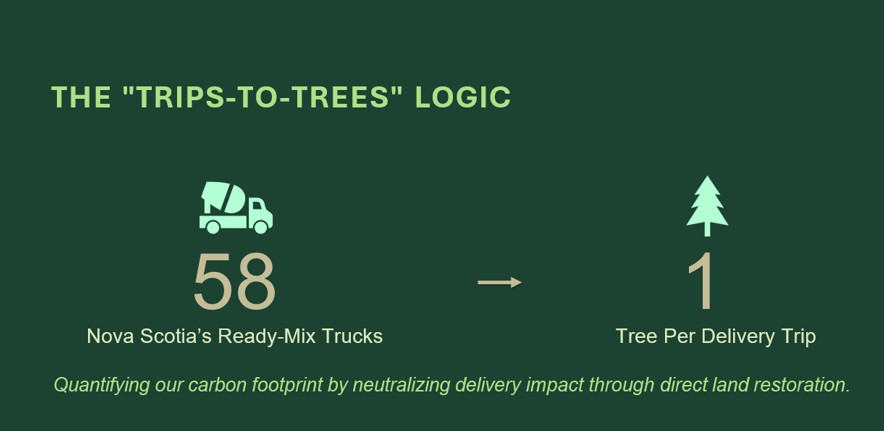
To establish the program, OSCO Concrete examined the environmental impact of its fleet operations. On average, a ready-mix truck consumes approximately 0.7 litres of fuel per kilometre, with each litre contributing about 2.68 kilograms of CO₂ emissions (Li et al., 2025). Using monthly fleet trip data, the company set an ambitious planting target of 5,280 trees.
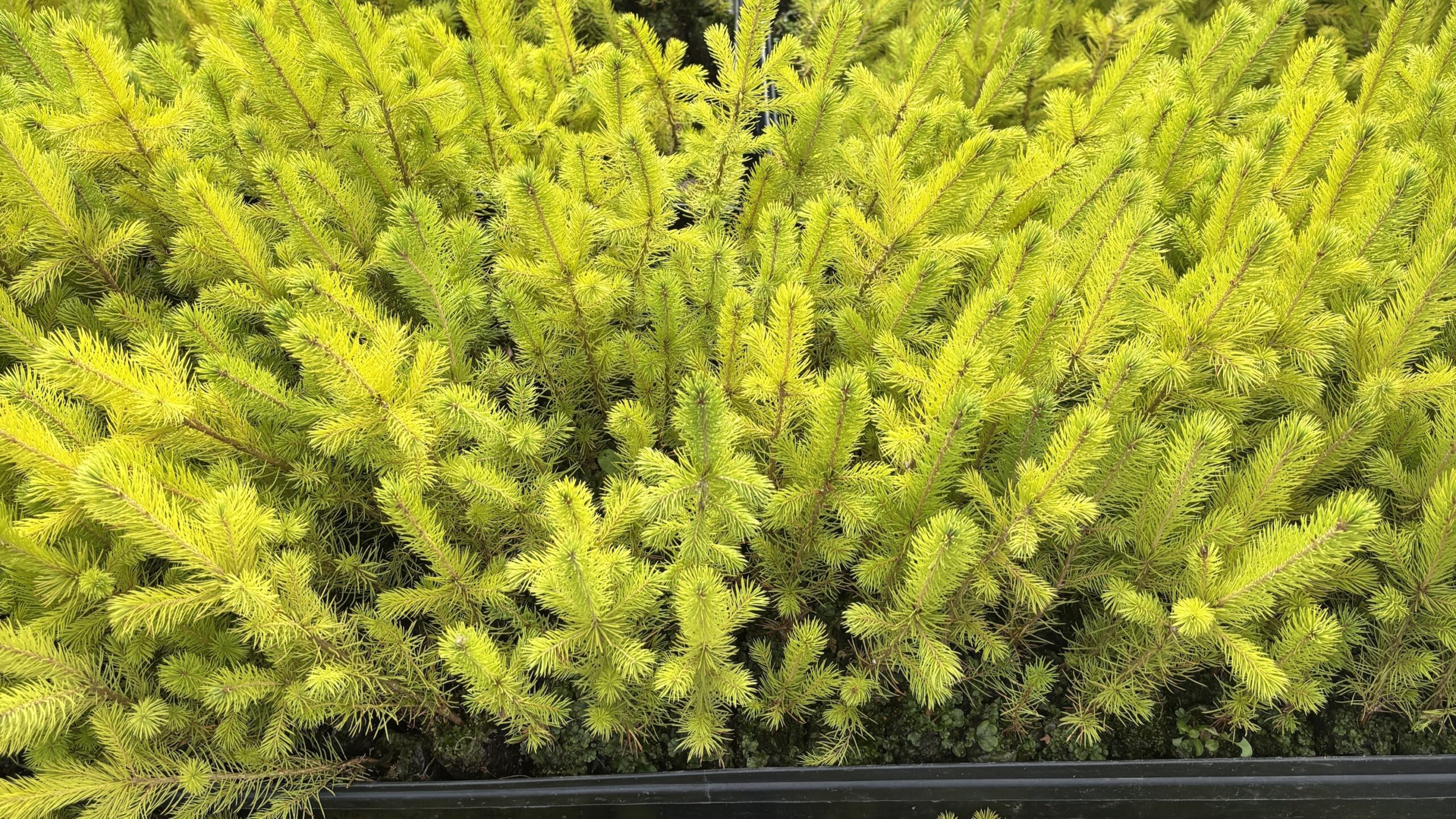
To support the project, OSCO Aggregates Limited identified land at its Glenholme operation that had previously been impacted by operational activities and was ready for ecological restoration. Local tree-planting contractors were engaged, and on September 9, 2026, following recommendations from members of the surrounding community, 5,280 red and white spruce saplings were planted across the site.
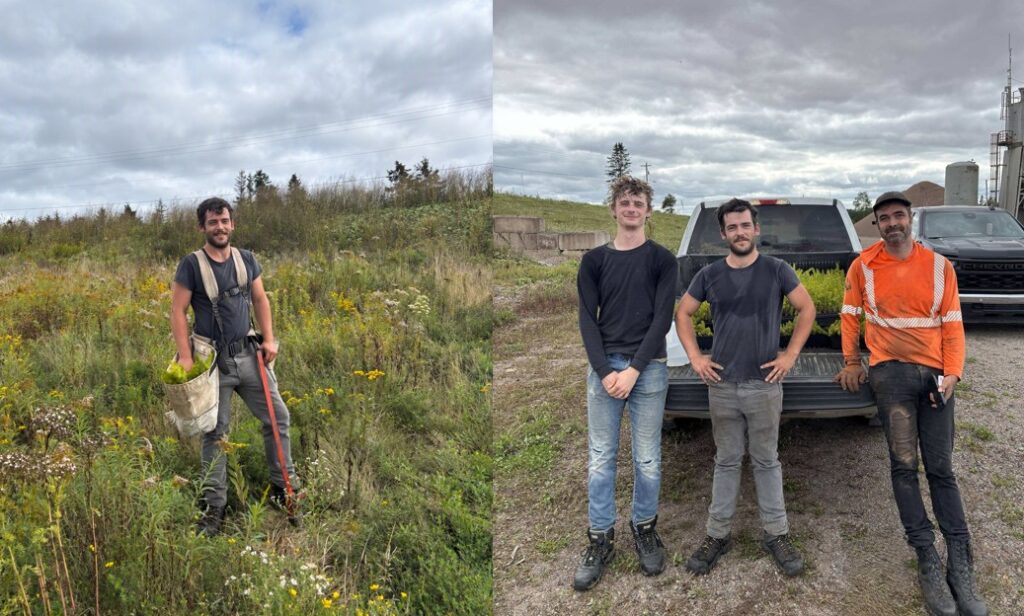
The restoration project covered approximately 6.5 acres of land and represents a long-term environmental investment. Red and white spruce trees typically live between 200 and 250 years, providing generations of environmental benefits. Once mature, the new forest is expected to sequester approximately 31.6 tonnes of CO₂ annually (Li et al., 2025), helping to offset emissions while contributing to broader climate resilience efforts.
The benefits extend well beyond carbon capture. The new forest will help stabilize soil, reduce erosion, provide natural wind protection, and create valuable habitat for local wildlife. Over time, the restored area will support greater biodiversity and contribute to the long-term health of the surrounding ecosystem.
The Trips-to-Tree initiative demonstrates how environmental responsibility can be integrated directly into everyday business operations. By linking routine transportation activities with measurable environmental action, OSCO Concrete and Aggregates Limited has created a practical example of how industry can contribute to positive environmental outcomes while continuing to serve communities across Nova Scotia.
Through initiatives like this, the construction industry can demonstrate that sustainability is more than a commitment. It is an ongoing responsibility that requires action, innovation, and a long-term perspective.
Article and Pictures by Pujan Savani, Environmental Manager.